Data Courtesy of CoStar™
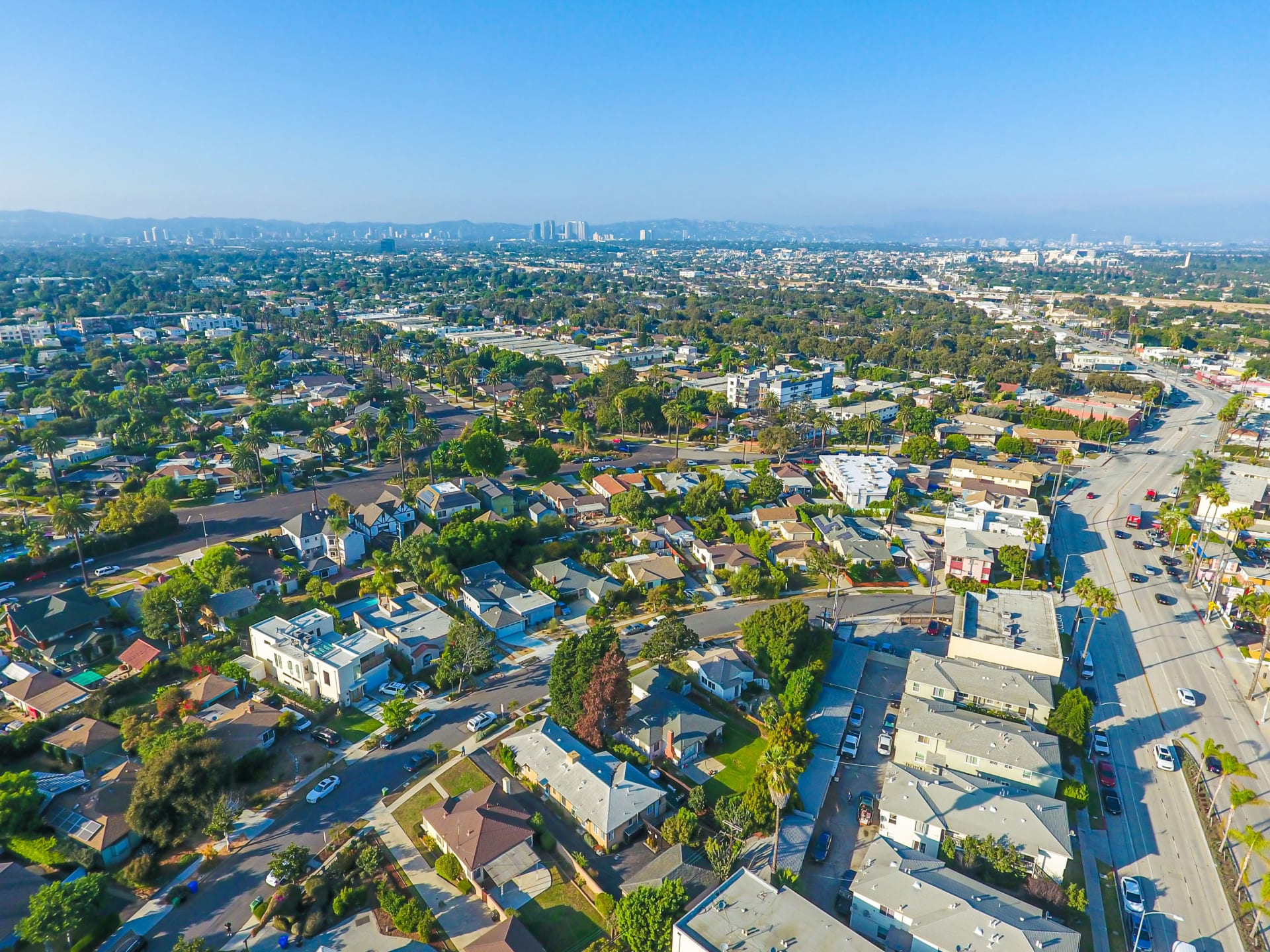
The Los Angeles multifamily market is increasingly bifurcating. On one hand, higher quality units are experiencing supply side pressure that has caused vacancy to expand to 9.9%, putting it back in line with the ten-year annual average. On the other hand, demand for lower quality units continues to weaken, with vacancies reaching 4.6%, their highest level in the past ten years. Nevertheless, overall market vacancy of 5.6% is stable when compared to the national average vacancy rate of 8.5%. Relative to other California markets, however, Los Angeles reports one of the higher vacancy rates in the state, trailing Orange County, San Francisco, and San Jose.
Elevated unemployment, slowing job growth, and population outmigration have all played a factor on demand. As the economy becomes increasingly K-shaped, even those with means are becoming more cost conscious. 4 & 5 Star units leasing is down about 20% year over year, while 3 Star units exhibit more stability, outperforming its ten-year average absorption numbers.
Demand for 1 & 2 Star units have dropped far beyond its ten-year annual average, hitting -2,000 as affordability remains a key challenge facing the Los Angeles market. Record supply in the higher quality segment has also been a challenge. Approximately 11,000 net new deliveries occurred over the past twelve months for 3, 4 & 5 Star units, a 20% increase year over year. 1 & 2 Star units net deliveries contracted by -28 units in the same time. From 2013-2023, Los Angeles started building approximately 2.5x more units than the previous decade, and as a result the market has been contending with a steady pipeline of deliveries over the past few years. However, construction starts have slowed significantly once interest rates were hiked in 2022, which will offer some reprieve in coming years and potentially compress the vacancy rate.
12 Mo. Delivered Units
12 Mo. Absorption Units
Vacancy Rate
12 Mo. Asking Rent Growth
12 Mo. Sales Volume
As a result, pricing power for landlords have been limited and rent growth has not breached 1% since 2022. The current twelve month growth rate sits at 0.1%. Landlords of higher quality units are in fierce competition for qualified renters, with many offering leasing concessions such as one to two months free depending on lease term. Some market participants have even noted giving away more creative concessions like parking, storage, or perks to nearby amenities like free gym memberships or doggie day care. Landlords of lower quality units are dealing with vacant units for months at a time.
Looking forward, market fundamentals are expected to change as the supply pipeline reduces; new construction starts have declined by about 20% annually since 2021, and the number of units under construction is at its lowest level since 2015. As supply pressure decreases and demand potentially rises, vacancy rates could compress and return pricing power to landlords to increase rents. However, there is potential downside risk if the economy continues to weaken. If demand declines substantially due to macroeconomic issues, reducing supply may not be enough to keep vacancy rates low for Los Angeles.
You’ve got questions and we can’t wait to answer them.